
Temperature
What The Guide Says
The following advice is in case of extreme weather during a power cut. It comes from the UK Department of Health and Social Care (see sources at the end of this document)[1].
To stay warm
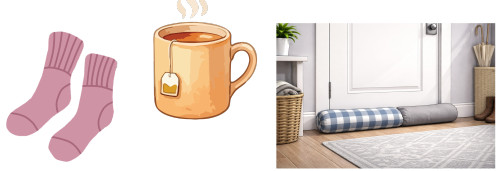
Gather everyone in one room to share warmth. Close the curtains and blinds and drape blankets over the windows. Cover the floor with rugs. Block any draughts under doors with bolsters, cushions or towels.
Layer up your clothing with several thin layers and put on any woolens or thermals if you have them. Move around and stretch every hour to boost your circulation. While you are sitting, keep your feet raised because air near the floor is colder. Use sleeping bags if you have them for extra warmth at night.
Signs of hypothermia: shivering, cold and dry skin, skin and lips that are blue or grey (which may easier to see on the palms of the hands or the soles of the feet of black or brown skin), slurred speech, slow breathing and appearing tired or confused.
If you think someone has hypothermia, take the following steps:
- move them indoors or somewhere sheltered as quickly as possible
- remove any wet clothes and wrap the person in a blanket, covering their head
- if they are awake give them some sugary food and a warm non-alcoholic drink
- stay with them and keep them awake by talking to them
- get medical help if you are able to
- DO NOT light a fire indoors or use any fuel equipment which creates carbon monoxide
To stay cool
For most people very hot weather will be inconvenient but not dangerous, however hot weather can cause serious health problems for some groups. Babies, young children, pregnant women, older people and people who need care are at particular risk from hot weather. If you are in one of these groups or look after someone who is, you should pay particularly close attention to this advice.
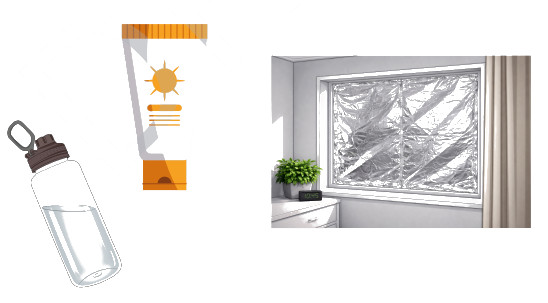
You should make sure you keep hydrated and drink at least 2 litres of liquid per day which is approximately 8 cups. When it is extremely hot, you are at increased risk of dehydration so it is even more important to try to drink enough fluid. Avoid alcohol and caffeine, as these are dehydrating
Close windows, blinds and curtains. Open the windows at night to increase air flow. Cover the windows with foil or a silver blanket. Sleep on the lowest level of your home, or wherever is coolest. Drink extra water and take a cold shower, or place flannels soaked in cold water on your head and neck.
If you need to go outside, do so at the coolest times of day. Take water with you and wear sunscreen, even if it is overcast.
Rationale, background and more
Very little extra needs to be said about the above. As an additional source of information, you might like to view the British Red Cross Guidance on winter weather[2] and also British Red Cross Guidance on surviving exceptional heat[3].
During very hot weather the advice to open windows overnight if possible can make a noticeable difference. Loughborough University publishes advice on, for example, how shuttered windows can make a big difference in heat control[4] as a passive alternative to heating and air conditioning.